
Jonas Franke · 27 September 2026
Examining Interconnected Link Equity Flows Amid Platform Evolution in Adaptive Digital Systems
Digital platforms undergo continuous structural shifts that reshape how link equity travels between sites and content clusters, and researchers track these movements through data models that capture both direct transfers and indirect influences across adaptive algorithms.
Core Mechanisms of Link Equity Distribution
Link equity originates from authoritative sources and flows through hyperlinks that search engines evaluate based on relevance signals, trust metrics, and contextual placement, while platform updates modify weighting factors that determine final value allocation. Studies from academic institutions indicate that these flows become more complex when multiple domains interconnect through shared hosting environments or content syndication networks, and data from September 2026 platform audits revealed measurable changes in equity concentration patterns following major indexing adjustments.
Adaptive systems respond to user behavior patterns by recalibrating crawl priorities, which in turn affects how quickly new links gain recognition within the broader graph. Observers note that equity rarely moves in isolation because one domain's authority boost often triggers secondary adjustments across linked clusters, creating ripple effects that analysts measure through longitudinal tracking tools.
Platform Evolution and Its Impact on Flow Dynamics
Major platforms introduced layered ranking components throughout 2025 and 2026 that prioritize experience signals alongside traditional link metrics, and this evolution forces content networks to reconsider how they structure internal and external connections. When algorithms place greater emphasis on page experience factors, the velocity of equity transfer can slow in certain verticals while accelerating in others where technical compliance aligns closely with new criteria.
Those who monitor these systems report that adaptive platforms now incorporate real-time feedback loops, allowing equity values to fluctuate more rapidly than in previous static models. Research indicates that sites maintaining consistent structural integrity across updates preserve equity better than those undergoing frequent redesigns, because each change introduces temporary dilution until re-evaluation cycles complete.
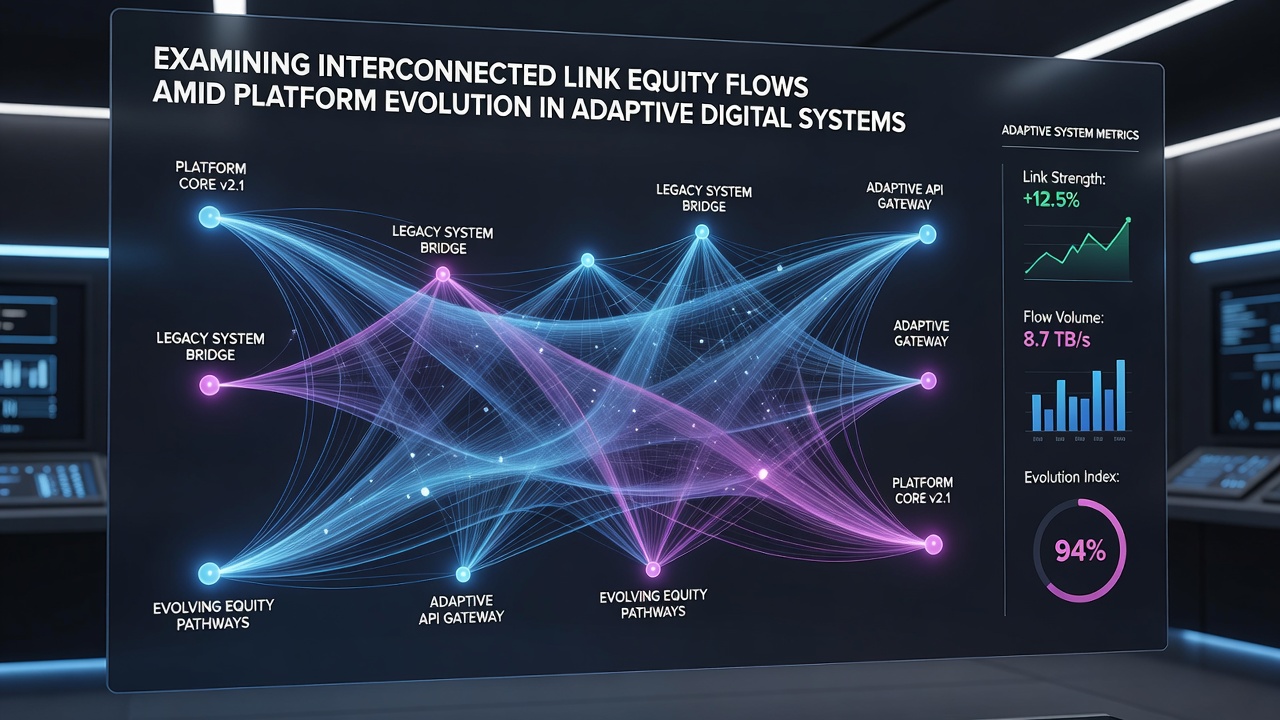
Interconnected Networks and Equity Mapping Techniques
Analysts use graph theory approaches to map equity pathways across large site ecosystems, and these methods reveal clusters where value concentrates or dissipates depending on link topology. According to reports published by the European Commission on digital infrastructure resilience, interconnected systems demonstrate higher sensitivity to single-point changes when multiple pathways converge on central hubs.
Canadian digital economy studies further show that equity distribution patterns shift noticeably when platforms alter their handling of duplicate content signals or international domain configurations. Experts apply simulation models to forecast how proposed platform modifications might redistribute value, allowing organizations to adjust link acquisition strategies before actual updates take effect.
Data Patterns Observed in Recent Platform Cycles
September 2026 data releases from multiple tracking services highlighted increased equity leakage in environments where platforms introduced stricter crawl budget allocations, and these patterns appeared most pronounced among sites with high internal link density. Researchers discovered that external links pointing to deeper site levels retained value more effectively when accompanied by strong topical alignment signals.
Industry reports compiled by the OECD on digital platform governance document similar trends across regions, noting that equity flows stabilize faster in systems that maintain transparent update schedules. Adaptive digital frameworks now integrate machine learning components that predict and mitigate unintended equity disruptions during transitions, reducing volatility for compliant network participants.
Conclusion
Link equity flows within evolving platforms reflect a complex interplay of algorithmic priorities, structural decisions, and network topology that continues to develop with each major system update. Data collected through 2026 demonstrates measurable impacts from adaptive changes, and ongoing research from international bodies provides frameworks for understanding these dynamics. Organizations monitoring these patterns gain clearer visibility into how value moves across interconnected digital systems.