Leon Bennett · 13 September 2026
Navigating Content Freshness Signals Across Rapidly Evolving Web Platforms
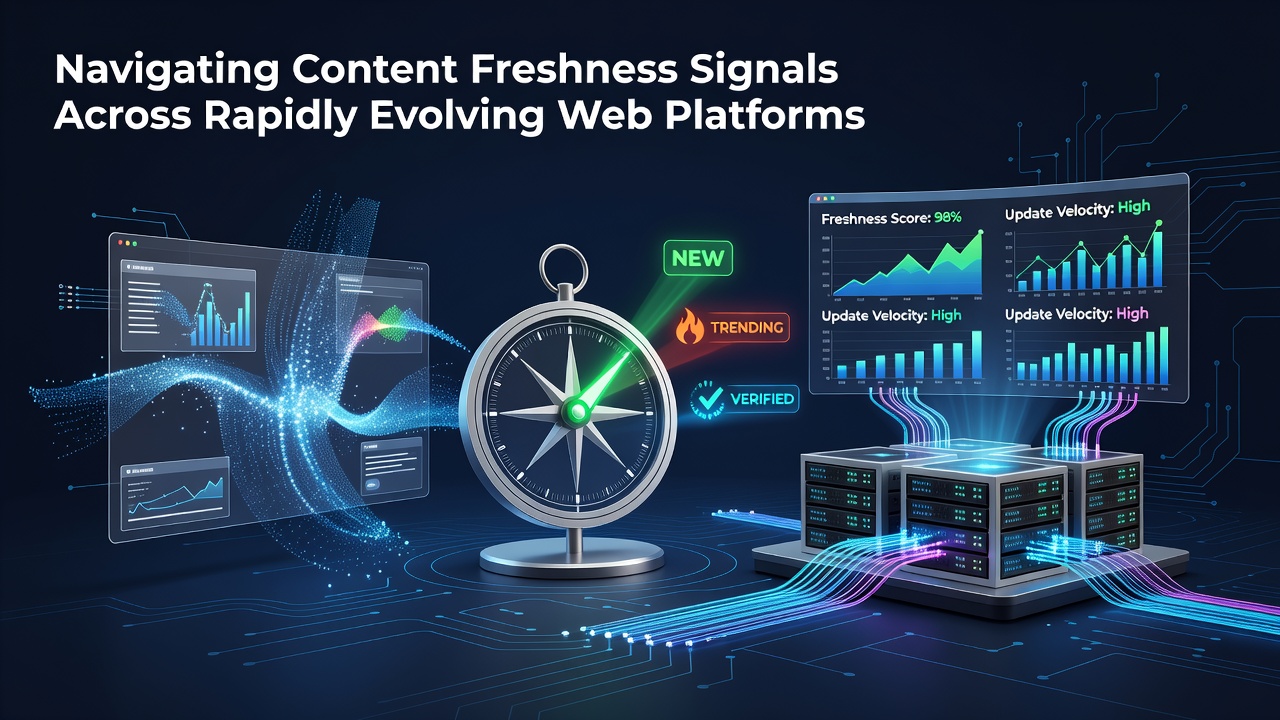
Content freshness signals represent the mechanisms platforms use to evaluate how recently material has been created, modified, or validated by user activity, and these signals have grown more intricate as web environments change at accelerated rates. Search engines, social networks, and content distribution systems track timestamps, revision histories, engagement velocity, and metadata updates to determine relevance rankings, while algorithms adjust weights assigned to each factor based on platform-specific priorities. Researchers tracking these developments note that updates to ranking systems in 2025 and into September 2026 introduced additional layers of real-time verification, requiring site operators to monitor multiple data points simultaneously rather than relying on periodic content refreshes alone.
Core Components of Freshness Evaluation
Platforms assess freshness through a combination of direct indicators such as publication dates, last-modified headers, and crawl frequency logs alongside indirect measures including backlink acquisition patterns, social sharing spikes, and comment thread activity. Data from major search providers shows that pages receiving consistent updates within defined intervals maintain higher visibility in dynamic result sets, whereas static documents experience reduced exposure unless external signals compensate through sustained references or citations. Observers tracking algorithm documentation have identified that machine learning models now incorporate user dwell time and scroll depth as proxies for ongoing relevance, which means even older material can register as fresh when interaction metrics remain elevated over successive periods.
Platform-Specific Adaptations in 2026
Each major web environment applies its own weighting to freshness variables, and those differences become pronounced when content crosses between search results, news aggregators, video platforms, and social feeds. Video hosting services prioritize upload dates and view velocity more heavily than text-based systems, while news distribution networks emphasize source verification timestamps and correction logs to maintain accuracy standards. Studies conducted by academic teams at institutions across North America and Europe reveal that cross-platform migration of content requires separate optimization approaches because the same article may rank differently depending on whether it appears in a traditional search index or a real-time social discovery feed. In September 2026 several platforms rolled out enhanced verification protocols that cross-reference content hashes against public archives, adding another dimension to how freshness gets confirmed beyond simple date fields.
Technical Implementation Challenges
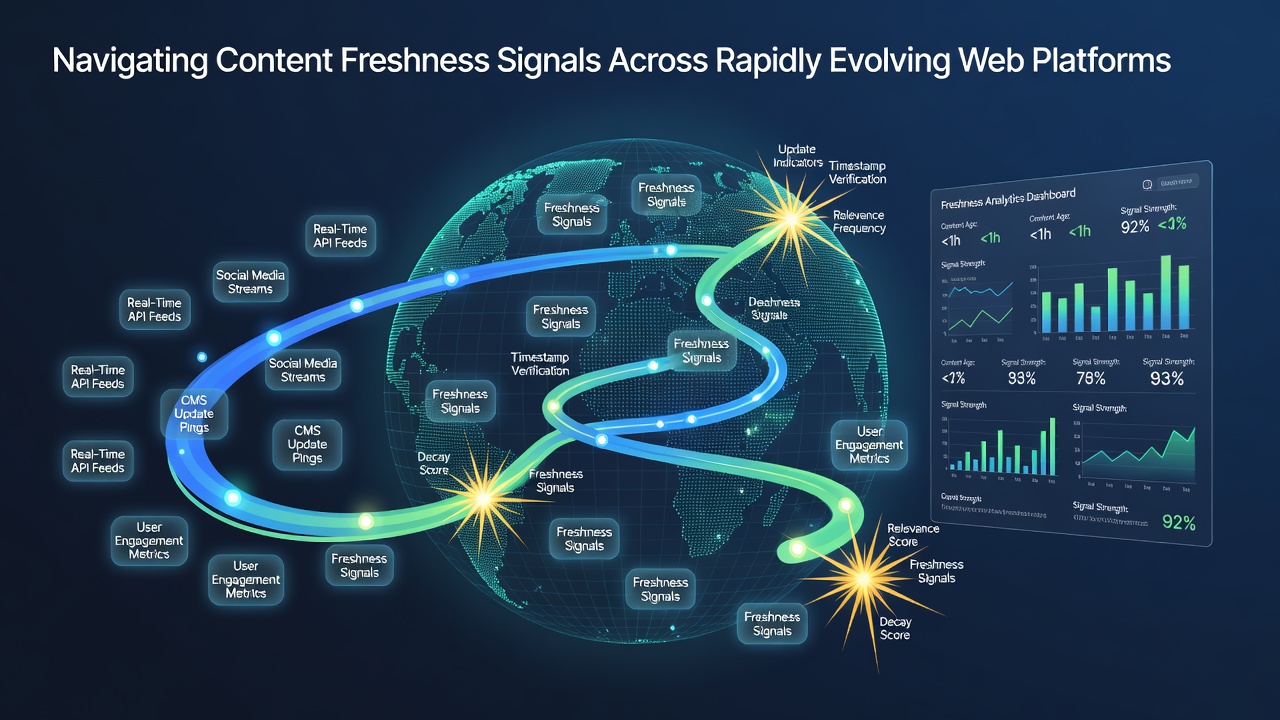
Site administrators face increasing demands when implementing structured data that communicates update status accurately to crawlers and APIs, since inconsistent markup can trigger lower trust scores even when the underlying material receives frequent revisions. Content management systems have incorporated automated scheduling features that generate revision logs and sitemap entries, yet integration with third-party analytics remains necessary to capture engagement signals that influence platform decisions. Reports from industry research groups indicate that organizations maintaining centralized update dashboards achieve more consistent performance across evolving algorithms because they can correlate internal change records with external ranking fluctuations in near real time. Those who have examined large-scale deployment data find that failure to align schema markup with actual modification events often results in delayed indexing or diminished visibility windows.
Measurement and Monitoring Approaches
Analytics frameworks now combine server log analysis with API access to platform-specific freshness metrics, allowing teams to track how quickly new or revised material appears in result sets after publication. External tools that aggregate data from multiple sources provide visibility into crawl patterns and indexing latency, while internal instrumentation captures user behavior metrics that platforms treat as freshness validators. A research paper published through a Canadian university consortium documented correlations between update frequency and visibility duration across several hundred domains, showing measurable differences based on content category and platform type. Monitoring these variables requires ongoing calibration because weighting adjustments announced in September 2026 altered how certain engagement signals contribute to overall freshness calculations.
Cross-Platform Coordination Strategies
Organizations operating across multiple environments coordinate update schedules to satisfy the strictest freshness requirements while avoiding resource waste on platforms with more lenient criteria. Automated pipelines that push revisions to all distribution channels simultaneously reduce latency gaps that otherwise create ranking discrepancies. Data compiled by European research networks demonstrates that synchronized publication across search, social, and news surfaces produces more stable performance metrics than staggered releases, although each channel still demands tailored metadata to match its evaluation model. Those managing large content inventories have developed decision trees that route updates according to platform priority and historical impact data rather than applying uniform policies.
Conclusion
Navigating content freshness signals demands systematic attention to both technical indicators and behavioral metrics that platforms use to evaluate material relevance, and the landscape continues to shift with each major algorithm adjustment. Organizations that maintain detailed records of updates and monitor cross-platform performance data position themselves to respond effectively when weighting priorities change. Continued observation of developments through September 2026 and beyond shows that integration of verification technologies and real-time engagement analysis will remain central to maintaining visibility across rapidly evolving web platforms.