Sage Roth · 27 September 2026
Shifting Patterns in Resource Prioritization for Dynamic Site Ecosystems After Structural Changes
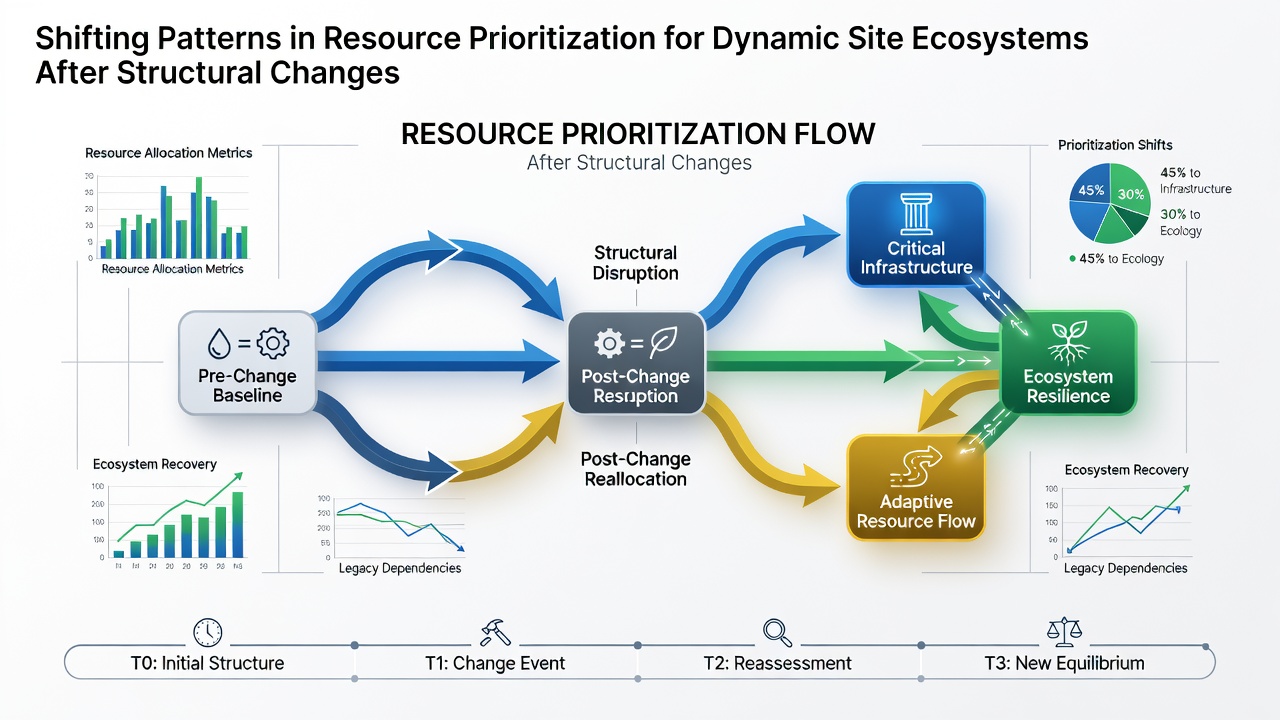
Structural changes in web platforms often trigger reevaluation of how servers, databases, and content delivery networks distribute processing power along with bandwidth and storage capacity, and observers note these adjustments become especially pronounced when organizations implement new architectures or consolidate multiple properties under unified systems. Data from industry monitoring tools indicates that sites undergoing such transitions frequently reallocate caching layers first, since older configurations may no longer align with updated traffic flows or content delivery requirements.
Initial Reassessment of Core Infrastructure Components
Teams responsible for large-scale sites typically begin by mapping existing resource consumption patterns against projected demands after any merger of domains or redesign of navigation structures, and this process reveals bottlenecks that previously remained hidden under legacy setups. Researchers at several technology institutes have documented cases where database query optimization receives priority attention because structural modifications can increase the complexity of data relationships, forcing administrators to shift indexing strategies and connection pooling methods accordingly.
Hardware utilization metrics collected across multiple platforms show that CPU cycles dedicated to rendering dynamic pages often rise sharply in the weeks following a major update, prompting managers to adjust load-balancing rules so that traffic distributes more evenly across available nodes. Those who track these metrics report that memory allocation for session management and temporary data storage tends to follow similar upward trends until new compression techniques or content fragmentation approaches take effect.
Adaptations in Content Delivery and Caching Strategies
Once core infrastructure mapping concludes, attention turns toward content delivery networks where edge server configurations receive updates to reflect altered site hierarchies, and evidence from performance dashboards demonstrates measurable reductions in latency when cache invalidation rules are synchronized with the new structural layout. Organizations that manage high-traffic properties have observed that prioritizing static asset distribution over dynamic fragment generation produces faster overall response times during the stabilization period.
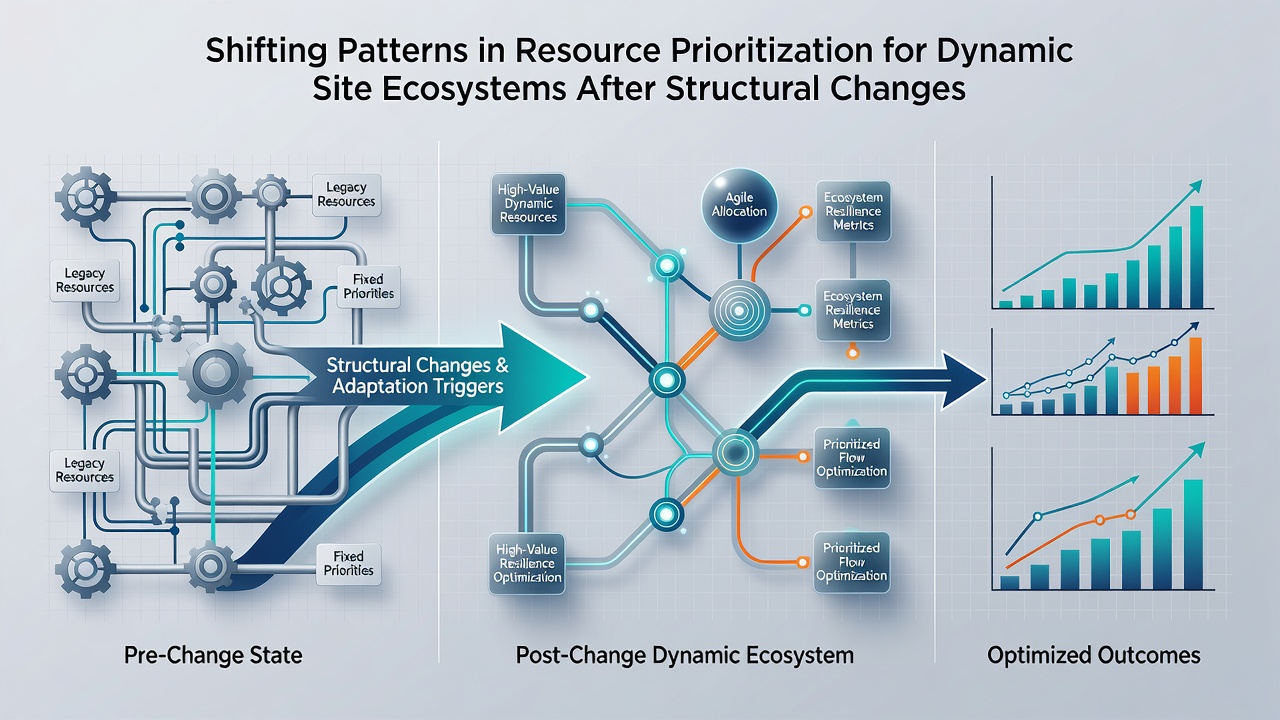
Bandwidth management policies also undergo revision because structural changes frequently alter the volume of media files and script dependencies that must travel between origin servers and end users, while studies conducted by academic groups in Canada highlight how revised throttling parameters prevent congestion during peak usage windows. The Canadian Digital Service has published guidance noting that coordinated updates to content delivery agreements help maintain consistent throughput when multiple properties consolidate their resource pools.
Monitoring Tools and Feedback Mechanisms
Specialized monitoring platforms become central to ongoing prioritization decisions because they supply real-time data on which endpoints consume disproportionate shares of available resources after the transition period begins, and analysts rely on these insights to fine-tune database sharding or API rate limits. In September 2026, several research consortia plan to release updated frameworks that incorporate machine learning models capable of predicting resource spikes based on historical structural change patterns across diverse geographic regions.
European Commission reports on digital infrastructure resilience emphasize the value of cross-border data sharing among operators so that best practices for resource reallocation can spread more rapidly, and these documents point to measurable improvements in uptime statistics when organizations adopt standardized logging formats. Industry groups in Australia have similarly compiled case studies showing how proactive capacity forecasting reduces the duration of adjustment phases following large-scale migrations or platform consolidations.
Long-Term Stabilization and Ongoing Adjustments
After the immediate post-change phase, resource prioritization settles into patterns that reflect the new site architecture, yet continuous monitoring remains necessary because traffic behaviors evolve and new content types emerge, and organizations that maintain flexible allocation policies tend to experience fewer disruptions. Figures from university-led performance studies reveal that sites implementing automated scaling triggers achieve more stable utilization rates compared with those relying on manual interventions alone.
External dependencies such as third-party scripts and analytics services also factor into the revised prioritization matrix because their loading sequences can influence overall server load after structural modifications take effect, and administrators often sequence these integrations based on measured impact rather than original placement. Data collected across multiple regions indicates that phased rollout approaches allow teams to isolate resource effects before full integration occurs.
Conclusion
Resource prioritization within dynamic site ecosystems continues to evolve in response to structural changes, with data from government agencies, academic researchers, and industry monitors providing the factual basis for these adjustments, and the patterns observed across different platforms underscore the importance of systematic reassessment combined with adaptive tooling. Organizations that integrate these insights maintain operational stability while accommodating shifting demands on infrastructure components.